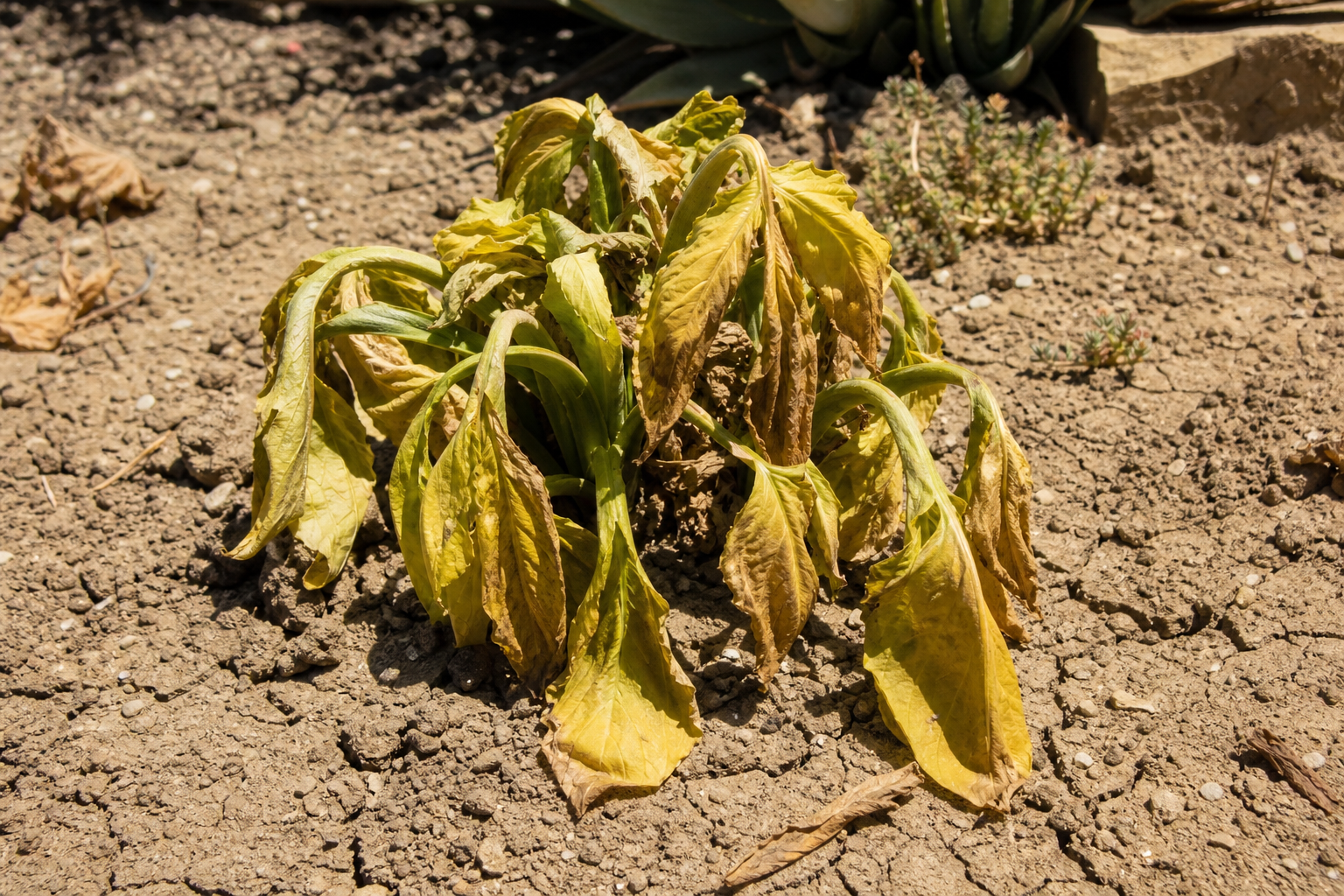
Start Here: The Moisture Check
Before assuming a nutrient problem, check soil moisture. Both overwatering and underwatering cause yellowing leaves — the most common cause in San Diego is inconsistent watering that swings between wet and dry extremes.
- Stick your finger or a soil probe 3–4 inches into the root zone. It should feel like a wrung-out sponge — moist but not wet.
- If it's dry as dust: deep water immediately and see if the plant recovers within 24 hours.
- If it's saturated and the pot or bed drains poorly: you may have root rot beginning. Allow to dry, improve drainage, and treat with a root rot fungicide if severe.
Reading Yellow Leaf Patterns
The pattern and location of yellowing tells you what's actually wrong:
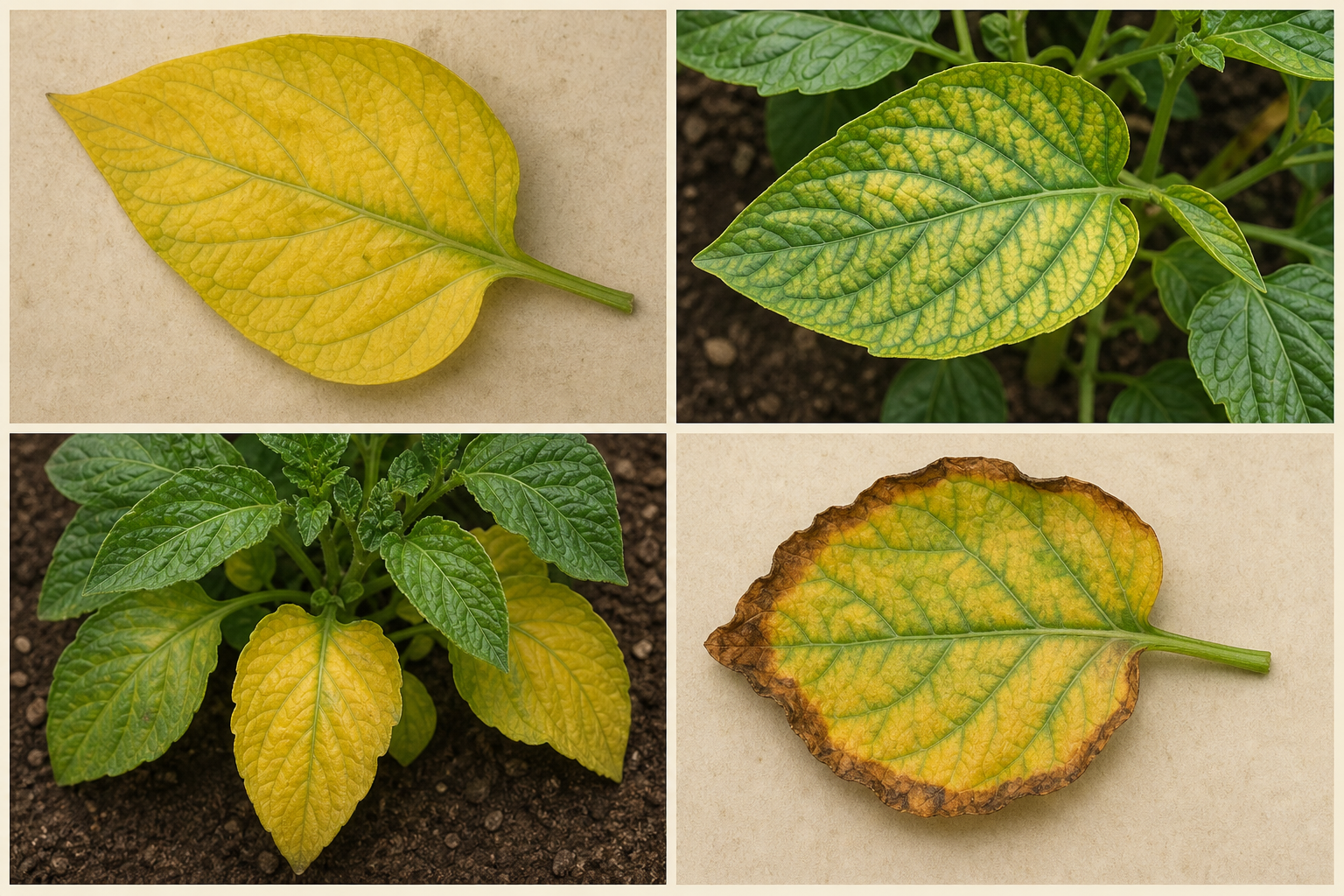
Uniform pale yellow across the whole plant
Likely: nitrogen deficiency. Nitrogen is mobile in the plant, so deficiency shows up everywhere. Causes: heavy rainfall that leached nitrogen out of the soil, or planting in low-organic-matter native San Diego soil without amendment. Fix: apply a balanced fertilizer or fish emulsion; work compost into the bed.
Yellow between green veins on newer leaves (interveinal chlorosis)
Likely: iron or manganese deficiency. These micronutrients become unavailable in alkaline soil — and San Diego's native soil and our tap water are both alkaline (pH 7.5–8.5). Most common in azaleas, gardenias, citrus, and blueberries. Fix:
- Acidify the soil with elemental sulfur or acidifying fertilizer.
- Apply chelated iron as a foliar spray for immediate green-up.
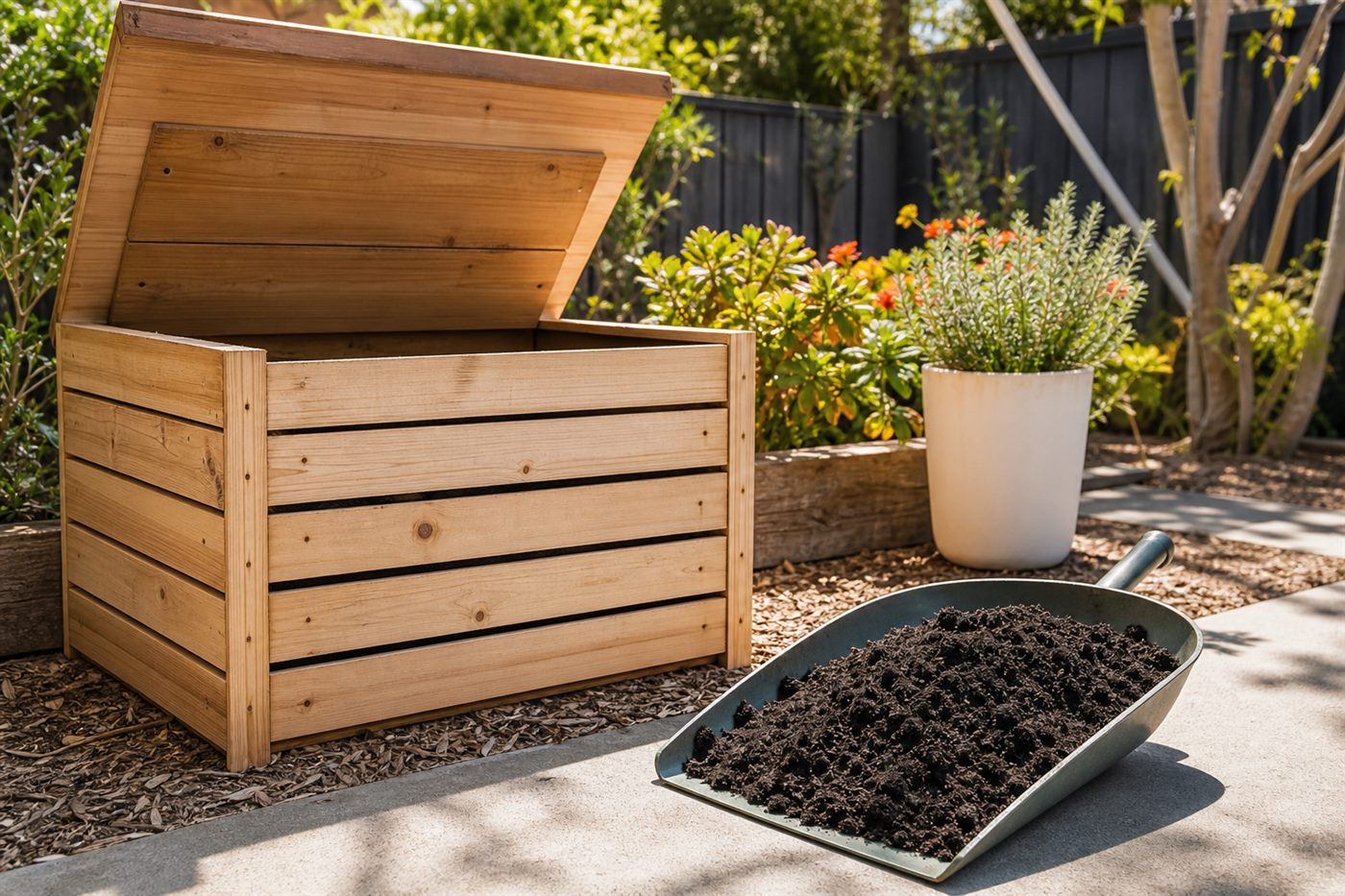
- Add acidic organic matter (peat moss, coffee grounds, pine bark) as mulch.
Yellow lower/older leaves while new growth stays green
Usually: natural leaf senescence (perfectly normal as plants shed older leaves) or overwatering if affecting many leaves at once. Also common in container plants as roots become pot-bound — the plant sheds lower leaves to balance the reduced root volume. Check root health and pot size.
Yellow leaves with green veins on older leaves
Likely: magnesium deficiency — common in sandy San Diego soils that drain quickly. Roses and tomatoes are especially prone. Fix: apply Epsom salt (magnesium sulfate) as a foliar spray (1 tablespoon per gallon of water) or work into the soil.
Yellowing leaves with brown crispy edges
Likely: salt burn from fertilizer over-application or accumulated salts from our mineral-heavy tap water. Flush the soil deeply with water to leach excess salts. Reduce fertilizer frequency.
San Diego's Alkaline Soil Problem
A recurring theme: many San Diego nutrient problems trace back to high soil pH. When pH rises above 7.5, iron, manganese, zinc, and phosphorus all become chemically “locked” in the soil — unavailable to plant roots even when present in abundance. Plants literally starve in nutrient-rich soil because the pH is wrong.
Solutions:
- Annual application of elemental sulfur in problem areas.
- Regular additions of acidic compost and organic matter.
- Use of fertilizers formulated for acid-loving plants.
- For severe cases, raised beds filled with a custom, pH-adjusted growing mix provide a clean slate.
When to Call a Professional
If you've addressed moisture and nutrients and the yellowing continues or spreads, you may be dealing with:
- Root rot (Phytophthora) from chronic overwatering or poor drainage
- Nematode damage (look for small galls on roots)
- Systemic viral infection (often with mosaic patterns alongside yellowing)
- A soil pH problem requiring professional testing and amendment
Persistent yellowing that doesn't respond to home treatments often needs a professional eye. Gardens of Gold offers landscape assessments and custom soil amendment programs for San Diego properties. Book a consultation.
Hablamos Español — don't hesitate to reach out with your garden questions.