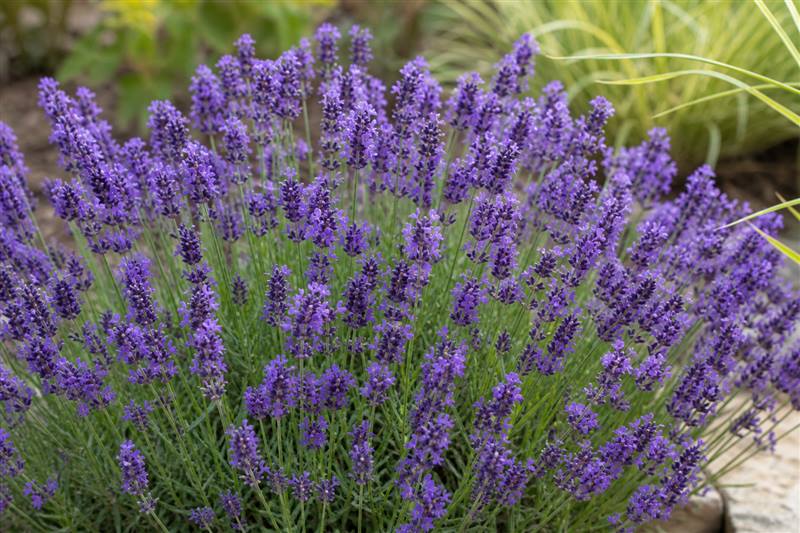
Stay genus-level: Lavandula L. English, French, and Spanish lavenders are cultivated species inside the genus, not this wiki identity.
How it was found
Kew’s genus summary: Macaronesia to the Mediterranean and India. The native list runs from the Canaries and Cape Verde across North Africa and the Mediterranean to India, Iran, and the Arabian Peninsula. Introduced list includes Britain, Ireland, New Zealand, parts of the eastern United States, and further regions on the taxon page.
UC Marin: believed to have originated in Greece and indigenous to the Mediterranean area including Europe, the Middle East, North Africa, and Cape Verde. UCCE Tulare/Kings: indigenous home in the western Mediterranean coastal region. Those UC statements are narrower than Kew’s Macaronesia-to-India genus range. No one species range is treated as the genus card.
This card is genus-level. No fetched page printed a first-cultivation date for the genus as a whole. UCCE Tulare/Kings prints spread into English gardens by the 1600s and arrival in America soon after — use and travel, not a genus domestication center. A Stanislaus “17th century Arabs domesticated the plant” line is species-level and was skipped.
How people used it
Kew’s genus page does not print a “used for food” sentence (unlike the species cards). UC Marin: helpful in the kitchen (cooking, herb mixes, beverages); English lavender (L. angustifolia) is the type named for culinary use. UC Sacramento: can be used as a culinary herb but is most often used as a scent. UCCE Tulare/Kings: uses in cooking, cosmetics, and aromatherapy.
UC Marin: fragrance for oils, soaps, potpourri, and sachets; word lavender from Latin lavare, “to wash.” UCCE Tulare/Kings: Romans and Greeks scented their soaps and baths with lavender. UC Sacramento: French hybrids (Lavandula × intermedia) considered number one for scent. Kew’s genus page did not print a generic medicine sentence on the fetched treatment.
Timeline
-
More than 2,500 years (as printed)
Already in many cultures
UC Marin writes that lavender (Lavandula) has been used for more than 2,500 years in many cultures around the world. UCCE Tulare/Kings: history and science have placed lavender back some 2500 years. That is a use span at genus wording, not a first-domestication country.
UC Marin Master Gardeners; UCCE Tulare/Kings
-
Greeks and Romans (as printed)
To wash
UCCE Tulare/Kings: the Romans and Greeks scented their soaps and baths with lavender. UC Marin: the word lavender is derived from the Latin verb lavare, “to wash.” Name and bath use travel together on those pages.
UCCE Tulare/Kings; UC Marin
-
1753
Linnaeus names the genus
Kew accepts Lavandula L., first published in Sp. Pl.: 572 (1753). USDA GRIN genus page: common name lavender; synonyms include Isinia Rech. f. and Stoechas Mill.
Kew POWO; USDA GRIN
-
1600s / soon after in America (as printed)
English gardens, then America
UCCE Tulare/Kings: from its indigenous home in the western Mediterranean coastal region, lavender spread through the centuries; by the 1600s it had become a beloved plant in English gardens; its arrival in America happened soon after; early use in this country was mostly of a medicinal nature. That last clause is a use note, not a named folk recipe.
UCCE Tulare/Kings Master Gardeners
Cool to know
Kew accepts the genus Lavandula L. UC pages name English L. angustifolia, French L. dentata, Spanish L. stoechas, and lavandins L. × intermedia. This card’s identity is the genus, not L. angustifolia.
Kew POWO; UC Marin; UC Sacramento
UC Marin: English lavender is the type named for kitchen use; Spanish lavender is not recommended for culinary uses due to high camphor (bitter taste). That is species-level cultivation advice, not the card identity.
UC Marin Master Gardeners
UC Sacramento: can be used as a culinary herb but is most often used as a scent; French hybrids (Lavandula × intermedia) considered number one for scent.
UC Master Gardeners of Sacramento County
Growing notes for this plant live on the Plant Wiki. This page is origin and use, not a How-To.
Want lavender in a San Diego bed? See the easy-herbs guide — this story does not assign a species. Get a quote or write yourgardenofgold@gmail.com.