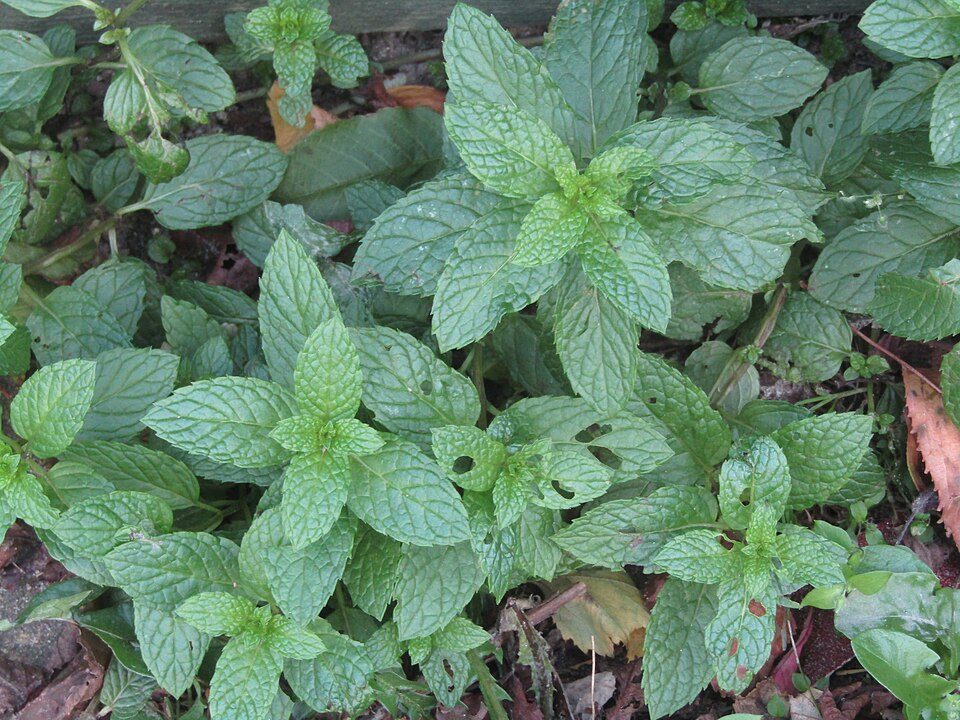
This card stays genus-level. Peppermint and spearmint are named on UC pages as popular garden examples — not as this wiki identity.
How it was found
Kew prints the native range of Mentha as cosmopolitan. That is the opposite of a single continent of origin, and this page does not invent one country.
Jepson eFlora treats the genus as 18 species of temperate North America and Eurasia. Etymology on that page: Latin, an ancient name for mint. Many cultivated and naturalized populations are derived from hybridization, generally polyploid; some are sterile and reproduce from rhizomes. Hybrids in California are generally sterile and spread that way.
No fetched page printed a species-level domestication story for the genus as a whole. UC IPM treats Mentha spp. as a culinary perennial herb in the mint family (Lamiaceae). USDA-ARS GRIN lists the genus Mentha L., family Lamiaceae, common name mint.
How people used it
Jepson: cultivated for oils, flavoring, herbs. UC IPM: leaves harvested at any time and used fresh or dried. UC Master Gardeners of Santa Clara County: peppermint has a higher concentration of menthol than spearmint; peppermint is more often used in candies, chocolates, liqueurs, and teas, while spearmint is popular in savory Middle Eastern and Mediterranean dishes. UC IPM: peppermints tend to be used to flavor dishes while spearmints are eaten fresh. Those are printed culinary examples inside Mentha, not a choice of peppermint or spearmint as the card identity.
Kew’s genus page is a range-and-name page on this packet, not a use-class dump. This story does not assign peppermint (Mentha × piperita) or spearmint (Mentha spicata) as the card’s species.
Timeline
-
1753
Linnaeus names the genus
Linnaeus published Mentha in Species Plantarum: 576. Kew accepts the genus. That is the name this card uses — a genus, not a species.
Kew POWO — Mentha L.
-
Temperate Northern Hemisphere (as printed)
Eighteen species on Jepson
Jepson eFlora prints 18 species in temperate North America and Eurasia. That is a flora count, not a claim that every garden mint is native to California.
Jepson eFlora — Mentha
-
Cultivation (flora note)
Oils, flavoring, herbs — and rhizomes
Jepson prints that Mentha is cultivated for oils, flavoring, and herbs. Hybrids in California are generally sterile and spread from rhizomes. That is why a mint patch can run without setting much seed.
Jepson eFlora — Mentha
-
UC IPM home-landscape card
Leaves fresh or dried
UC IPM names the garden crop Mentha spp., family Lamiaceae, and prints that leaves are used fresh or dried. UC Master Gardeners of Santa Clara County name peppermint and spearmint as popular garden mints — examples inside the genus, not this card’s binomial.
UC IPM; UC Master Gardeners of Santa Clara County
Cool to know
Kew prints the genus native range as cosmopolitan. A mint story that names a single native country is inventing a fact this packet does not have.
Kew POWO
Jepson prints that many cultivated and naturalized Mentha populations are derived from hybridization, generally polyploid, some sterile, reproducing vegetatively. The patch you pull up in a bed may never have been a tidy species.
Jepson eFlora
UC IPM and UC Master Gardeners of Santa Clara County print peppermint and spearmint as popular garden mints. They are named as examples within the genus, not as this card’s species.
UC IPM; UC Master Gardeners of Santa Clara County
UC IPM: mint is a perennial herb with more than 600 varieties. UC Master Gardeners of Santa Clara County: of the over 600 varieties of mints, the two most popular are peppermint and spearmint — named as examples within the genus, not as this card’s species. Peppermint-only dates (mid-1700s near London; Fall River Valley oil in the 1990s) were not added as this card’s identity.
UC IPM; UC Master Gardeners of Santa Clara County
Growing notes for this plant live on the Plant Wiki. This page is origin and use, not a How-To.
Want mint contained in a San Diego pot? See the easy-herbs guide — this story does not assign a species. Get a quote or write yourgardenofgold@gmail.com.