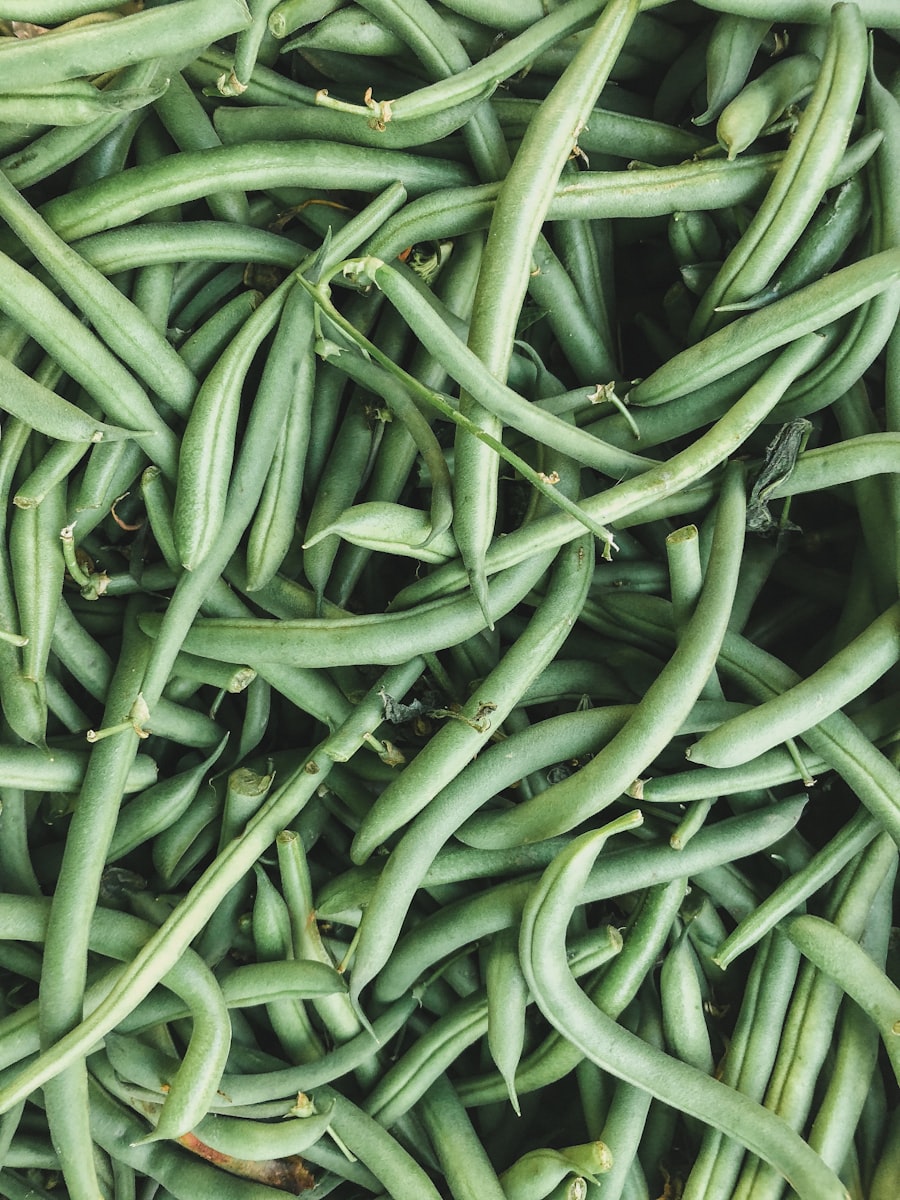
This card is Phaseolus vulgaris. Lima bean, fava, and blackeye/cowpea are other crops.
How it was found
Kew maps Phaseolus vulgaris from Mexico to northwestern Venezuela and northern Argentina. Native list: Argentina Northeast and Northwest, Bolivia, Colombia, Costa Rica, Ecuador, El Salvador, Guatemala, Honduras, Mexico Central / Gulf / Northeast / Northwest / Southeast / Southwest, Nicaragua, Panamá, Peru, Venezuela. Introduced widely, including parts of the U.S., Europe, Africa, and Asia. USDA GRIN native table: Mexico (many states), Central America, Venezuela, Bolivia, Colombia, Ecuador, Peru, Argentina; cultivated worldwide; naturalized worldwide.
UC ANR Publication 8402 (2010): common dry beans are different types of a single species (Phaseolus vulgaris) that was originally domesticated several thousand years ago in the areas that are now Mexico and South America. UC Marin Master Gardeners: beans are warm-season legumes native to Central or South America and have been grown since ancient times. Kew does not print a single first-cultivation year.
How people used it
Kew: used as animal food, a poison and a medicine, has environmental uses and for food. UC ANR 8402: dry beans grown in California mainly for human consumption; nutritious (starch, protein, dietary fiber); USDA considers dry beans to be both a vegetable and a protein source. UC Marin MG: eat fresh in pod or shell and dry.
Kew lists medicine with no specific remedy named. GRIN folklore medicine rows are not copied.
Timeline
-
Several thousand years ago (as printed)
Mexico and South America
UC ANR Publication 8402: P. vulgaris was originally domesticated several thousand years ago in the areas that are now Mexico and South America. Natural selection and breeding programs led to current market classes distinguished by seed size, color, shape, and plant growth habit. That is a span, not a calendar year.
UC ANR Publication 8402
-
1753
Named in Species Plantarum
Kew accepts Phaseolus vulgaris L., first published in Species Plantarum: 723 (1753). USDA GRIN: Sp. pl. 2:723. 1753. Kidney, pinto, and black stay this species.
Kew POWO; USDA GRIN
-
More than a century (California, as printed 2010)
A Sacramento and San Joaquin crop
UC ANR 8402: in California, dry beans have been an important crop for more than a century; primary growing areas are the Sacramento and northern San Joaquin Valleys. A production history, not a first-arrival year.
UC ANR Publication 8402 (2010)
-
Growth habit (same species)
Bush and vine
UC ANR 8402: dry edible bean plants have two basic plant types, or growth habits: determinate (bush) type and indeterminate (vine) type — both P. vulgaris. UC Marin MG: pole beans grow six to ten feet; bush beans grow two feet tall and wide; scientific name printed as Phaseolus vulgaris for the card.
UC ANR 8402; UC Marin Master Gardeners
Cool to know
UC ANR 8402: kidney, cranberry, pink, black, white, yellow, pinto, and red are market classes of a single species, P. vulgaris. Currently no commercially available genetically modified varieties of P. vulgaris (as printed 2010).
UC ANR Publication 8402
UC ANR 8402 Table 3 separately lists lima beans (Phaseolus lunatus) and blackeye / cowpea (Vigna unguiculata). Same publication: blackeye bean, a type of cowpea, is often a better choice for sandy soils. Marin’s variety list that prints “Fava” and “Scarlet runner” on a P. vulgaris page is not treated here as P. vulgaris.
UC ANR Publication 8402
As legumes, dry beans fix nitrogen from the air (UC ANR 8402; UC Marin MG: plants enrich soil with nitrogen). UC ANR notes the Rhizobium phaseoli relationship is not enough by itself for high grain yields.
UC ANR 8402; UC Marin
Growing notes for this plant live on the Plant Wiki. This page is origin and use, not a How-To.
Want bush beans in a San Diego bed? See the seed-starting How-To for planting in this climate. Get a quote or write yourgardenofgold@gmail.com.